
The Complexity of the Global Hair Industry
The difference between Raw hair vs Virgin hair vs Remy hair is one of the most confusing topics in the global hair industry. The global hair extension market is projected to reach billions by 2030, yet terminology remains a ‘grey area’ for many distributors. Terms like Raw, Virgin, and Remy are often used interchangeably by marketing agencies, leading to costly confusion.
Raw Hair vs Virgin Hair vs Remy Hair: The Gold Standard of Authenticity
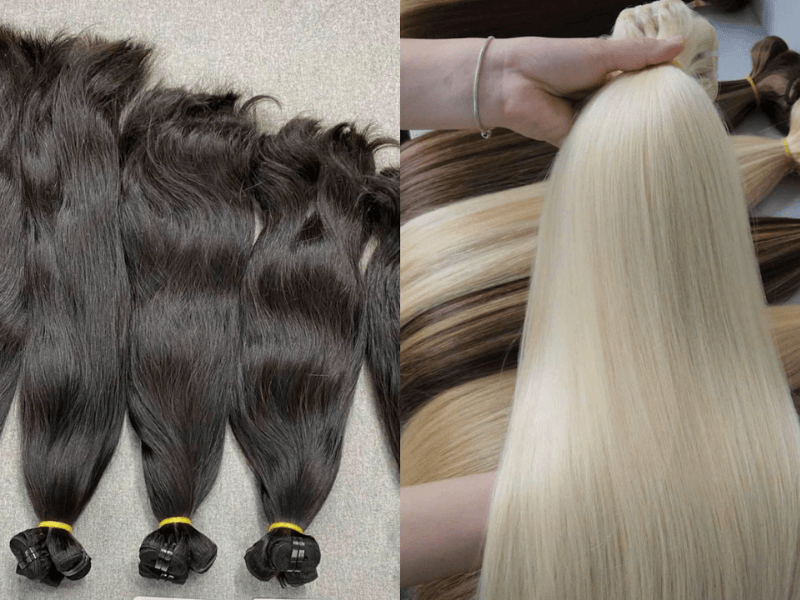
Raw Hair is the pinnacle of the wholesale human hair extensions market. It is cut directly from a single donor and remains completely “untouched.”
- Purity: No chemical perms, dyes, or silicon coatings.
- Longevity: Can last 3–5 years with professional maintenance.
- Texture: Limited to natural donor patterns (usually straight or natural wavy).
- Bleaching: The only type that safely lifts to #613 Platinum Blonde while maintaining structural integrity.
At Toupee Corp, our Raw Hair is sourced ethically, ensuring each bundle retains its natural protein structure and strength.
Understanding Virgin Hair vs Remy Hair in the Hair Quality Comparison
In the professional human hair sourcing industry, Virgin Hair refers to hair that hasn’t been chemically treated. However, it differs from Raw hair because it is often steam-processed to create consistent textures.
- The Nuance: While “Virgin” in chemistry, the steam process allows us to offer popular styles like Deep Wave or Kinky Curly.
- Lifespan: Typically provides a high-quality look for 1–2 years.
- Quality Standard: Must have 100% intact cuticles running in the same direction to prevent tangling.
Remy Hair: The “Cuticle-Correct” Standard
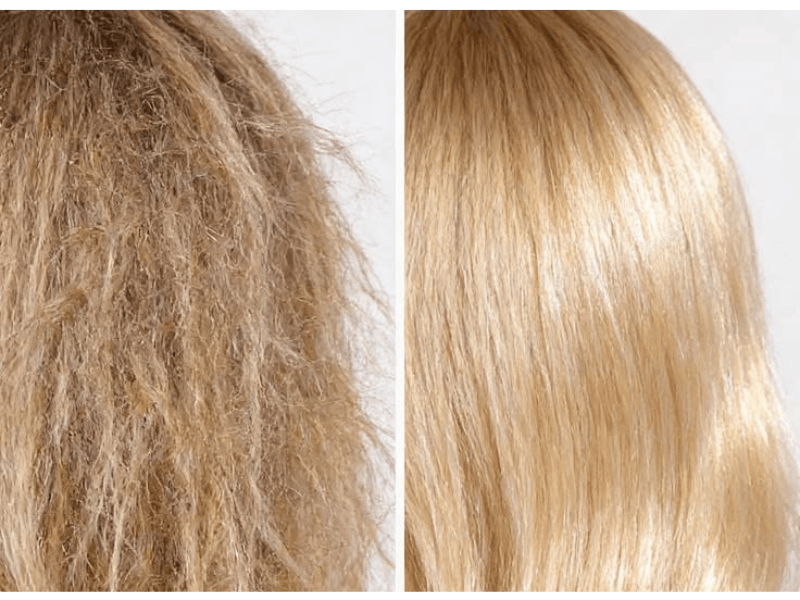
The term Remy describes the collection method rather than the hair’s history. It ensures all hair strands are aligned from root to tip.
- Why Alignment Matters: When cuticles are misaligned (Non-Remy), the scales rub against each other, causing instant matting.
- The “Remy” Myth: Many suppliers label acid-washed hair as “Remy.” True Remy hair must feel smooth and reflect light naturally without heavy silicone.
Comparison: Raw vs. Virgin vs. Remy
To simplify your wholesale human hair procurement, here is a technical breakdown:
| Feature | Raw Hair | Virgin Hair | Remy Hair |
| Processing | None | Steam Only | May be colored |
| Cuticle Status | 100% Intact | 100% Intact | Intact & Aligned |
| Bleaching | Up to #613 | Up to #27/613 | Level 27 (Typical) |
| Lifespan | 3 – 5 Years | 1 – 2 Years | 6 – 12 Months |
| Price Point | Premium | High | Moderate |
The Industry Secret: Non-Remy and Floor Hair
One of the biggest risks in the global hair market is “Floor Hair.” This is collected from salons or combs where roots and tips are mixed. To hide this, factories use an acid bath to strip cuticles and coat the hair in thick silicon.
The Warning Sign: The hair looks incredibly shiny at first but becomes a “bird’s nest” after 2–3 washes. Toupee Corp strictly prohibits Non-Remy hair in our professional production lines.
Sourcing & Ethics: The Toupee Corp Commitment
The origin of the hair is as vital as its grade. Ethical sourcing ensures donors are compensated fairly, resulting in “healthier” hair. Healthy donors provide strands with stronger keratin structures, essential for high-heat styling and longevity.
Professional Quality Testing
Before placing a bulk order, use these three industry tests:

- The Burn Test: Real human hair turns to ash and smells like burning feathers. Synthetic fibers melt into hard plastic beads.
- The Bleach Test: Raw hair should lift quickly without becoming “mushy” or losing its elasticity.
- The Cuticle Rub: Slide fingers up and down the hair shaft. You should feel slight resistance going upward (against the scales) and smoothness going downward.
Choosing the Right Product for Your Brand
- For Luxury Salons: Focus on Raw Hair. Your clients want an investment that lasts for years.
- For Trendy Retailers: Virgin Hair is the best choice for trending textures like Water Wave or Body Wave.
- For Budget-Friendly Lines: High-quality Remy Hair provides a beautiful aesthetic at a mass-market price point.
Partnering with Toupee Corp
Navigating the difference between Raw hair vs Virgin hair vs Remy hair requires a partner who understands the science of hair. Toupee Corp bridges the gap between Asian manufacturing excellence and Western quality standards. We ensure your brand’s reputation remains flawless through rigorous quality control and transparent sourcing.
“If you are new to Vietnamese hair, you can also read more about our brand and sourcing process to understand why our density looks natural and consistent: Perfect Vietnamese Wig Density Guide for Vietnamese Hair Pieces
“Follow our latest updates and premium hair products on Instagram at Toupee Corp Instagram.”